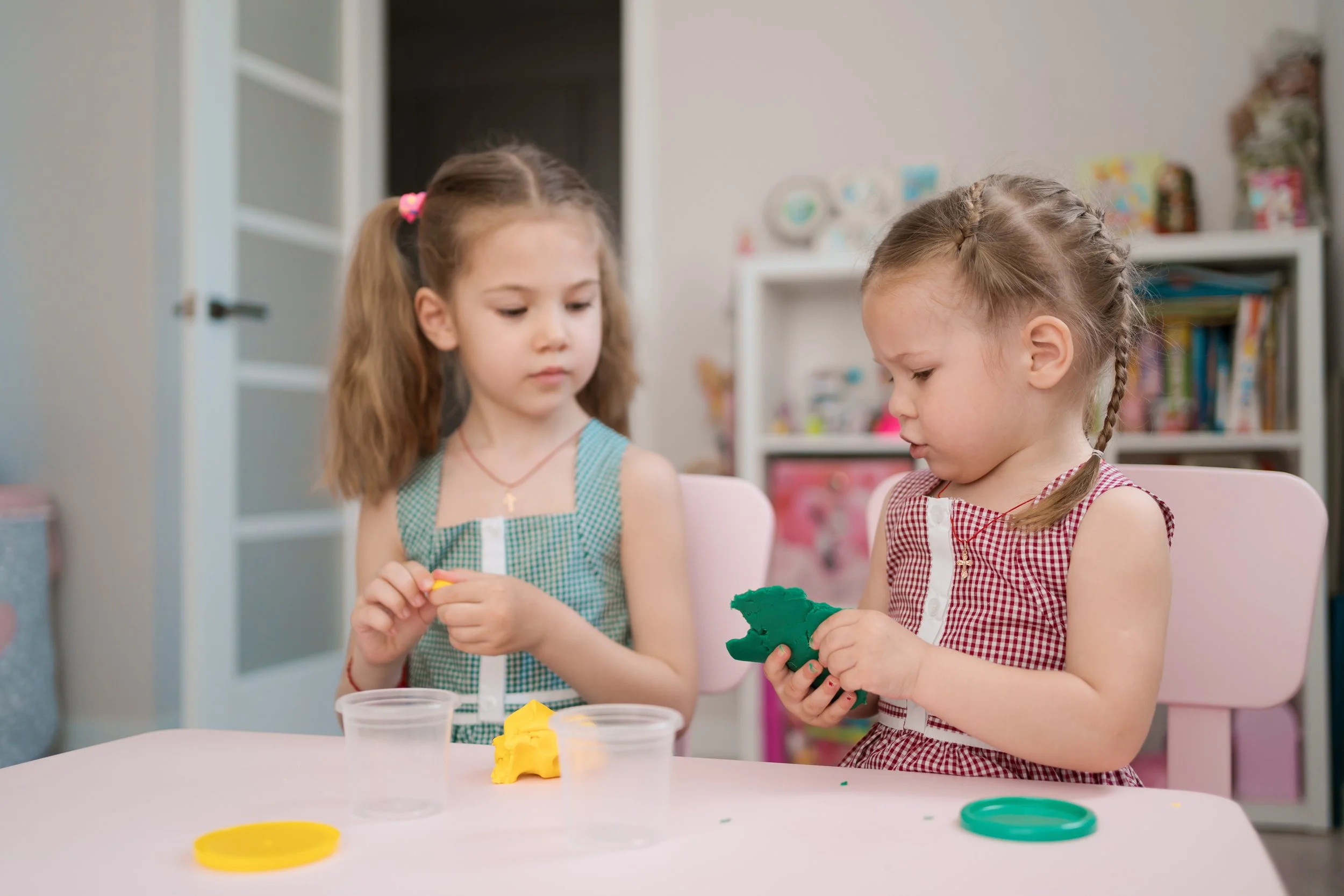
How Montessori Preschool Helps Children Develop Focus and Concentration
Focus is an important skill during the preschool years. Children are learning how to stay with a task, follow a sequence, and return to activities with growing purpose. A calm classroom environment can support this development by giving children time and space to practice. In a thoughtfully prepared Montessori preschool classroom, concentration grows through hands-on work, repetition, and respectful guidance.
Uninterrupted Work Time Supports Attention
Montessori preschool environments often include longer periods of uninterrupted work. During this time, children choose materials, complete activities, and return items to their proper place. This structure allows them to settle into meaningful tasks without constant interruption.
In a Montessori preschool program, children are encouraged to work at their own pace. Some may spend several minutes sorting objects, tracing letters, or arranging materials. Others may return to the same activity throughout the week. These repeated experiences strengthen attention and persistence.
Over time, children learn that concentration is both possible and rewarding.
Hands-On Materials Encourage Engagement
Preschoolers focus best when learning feels active and purposeful. Montessori materials are designed to invite exploration through touch, movement, and observation. Children may compare shapes, match sounds, count objects, or practice practical life tasks that require careful coordination.
Classrooms at Montessori West use hands-on materials to help children connect thought with action. This approach supports deeper engagement because children are not only listening. They are doing, testing, correcting, and repeating.
Self-correcting materials also help children notice mistakes independently. This encourages problem-solving without discouragement.
A Calm Environment Reduces Distraction
The classroom environment plays an important role in concentration. Montessori spaces are organized, predictable, and thoughtfully arranged. Materials have a clear place, and children are shown how to use them respectfully.
This order helps reduce overstimulation. When the environment feels calm, children can focus more fully on the task in front of them. Teachers also support concentration by observing before interrupting and offering guidance only when needed.
This respectful approach helps children build confidence in their ability to complete work independently.
Concentration Builds Over Time
Preschoolers do not develop focus all at once. Short periods of attention gradually become longer as children practice meaningful work. Repetition, routine, and encouragement all support this growth.
Families exploring preschool options often look for programs that prepare children for future learning without creating unnecessary pressure. Montessori education supports this goal by helping children build concentration in a natural, developmentally appropriate way.
When children are given time, structure, and purposeful materials, they develop the focus needed for early literacy, math, social interaction, and everyday problem-solving. Concentration becomes part of how they learn, explore, and grow.
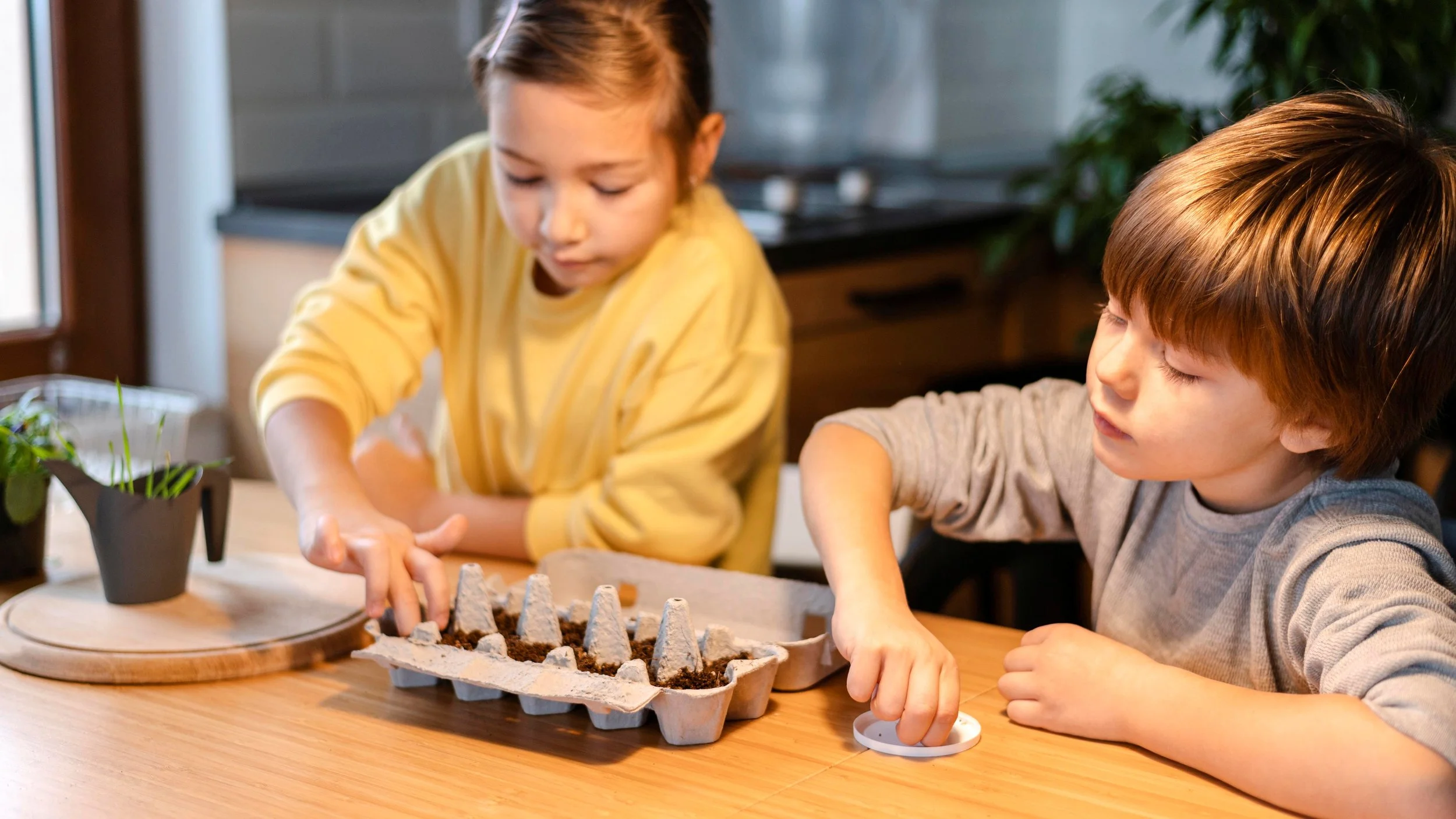
Encouraging Independence Through Practical Life in a Montessori Toddler Program
Independence begins with small, everyday moments. Toddlers often want to participate in real tasks, even when they are still learning how to control their movements and express their needs. A calm, prepared environment gives them the space to practice these skills safely. In a well-structured Montessori toddler program, practical life activities help young children build confidence through meaningful work.
Practical Life Activities Feel Familiar
Practical life activities are based on tasks children see at home and in daily routines. These may include pouring water, wiping a table, carrying a small tray, washing hands, or putting materials back in place. Because these activities are familiar, toddlers often approach them with natural interest.
In thoughtful Montessori daycare programs, teachers introduce these tasks slowly and clearly. Children are shown how to complete each step, then given time to practice. This repetition helps toddlers develop coordination, concentration, and a sense of responsibility.
Rather than rushing to complete a task for the child, adults provide guidance while allowing the child to participate as fully as possible.
Child-Sized Materials Support Confidence
Montessori classrooms are designed with young children in mind. Shelves are low, materials are accessible, and tools are sized for small hands. This prepared environment allows toddlers to make simple choices and complete tasks with growing independence.
At Montessori West, practical life activities support more than motor skills. They also help toddlers experience success. When a child pours water without spilling, carries a tray carefully, or cleans up after an activity, they begin to understand their own capability.
These small accomplishments build emotional confidence over time.
Repetition Helps Toddlers Master New Skills
Toddlers often repeat the same activity many times. This repetition is not random. It is how young children strengthen memory, coordination, and focus. A task that seems simple to adults may require careful concentration from a toddler.
Practical life activities provide healthy opportunities for this kind of repeated practice. Each attempt helps the child refine movement and gain control. Teachers observe closely and step in only when support is needed.
This balance helps children feel respected and capable.
Independence Grows Through Daily Routine
Independence is not developed through pressure. It grows when children are given consistent opportunities to try, practice, and improve. Predictable routines make these opportunities part of the learning day.
Families exploring early childhood options often look for environments that support confidence without overwhelming children. Practical life work gives toddlers meaningful ways to participate in their community while developing important early skills.
When toddlers are trusted with real tasks in a calm environment, they begin to see themselves as capable contributors. This foundation supports emotional growth, self-regulation, and a lasting sense of confidence.

Supporting Language Growth in a Montessori Toddler Classroom
Language development begins early and grows through everyday interaction. Toddlers learn to communicate by listening, observing, and practicing new words in meaningful contexts. A structured, responsive environment plays a key role in helping children build these skills. In a well-prepared Montessori toddler program, language growth is supported through conversation, routine, and hands-on exploration.
Daily Conversation Builds Vocabulary Naturally
Toddlers develop language through consistent, real-life communication. In Montessori classrooms, teachers speak clearly and intentionally, naming objects, describing actions, and responding thoughtfully to children’s cues. These back-and-forth exchanges, often referred to as “serve-and-return” interactions, help strengthen early brain development.
In high-quality Montessori daycare programs, language is woven into every part of the day. Whether children are preparing a snack, putting materials away, or participating in group activities, teachers guide them with simple, descriptive language. This repetition helps toddlers connect words with actions, building both understanding and confidence.
Over time, children begin to express their needs more clearly and participate more actively in conversations.
Hands-On Activities Reinforce Language Learning
Language development is closely connected to movement and sensory exploration. Montessori environments provide materials that encourage toddlers to touch, sort, and manipulate objects while hearing associated vocabulary. Activities such as matching items, identifying pictures, or naming familiar objects support both comprehension and recall.
Programs like those offered at Montessori West emphasize hands-on learning because it allows toddlers to experience language in context. Rather than memorizing words, children associate language with real experiences. This approach helps deepen understanding and supports long-term retention.
Repetition also plays an important role. When toddlers revisit familiar activities, they reinforce both language patterns and confidence.
Predictable Routines Support Communication
Consistency helps toddlers feel secure, which in turn supports communication. When daily routines remain predictable, children are more likely to engage verbally. Knowing what to expect reduces frustration and allows toddlers to focus on expressing themselves.
Teachers support this process by giving children time to respond, modeling simple phrases, and encouraging participation without pressure. Over time, toddlers begin to use language more independently, whether asking for help, describing an activity, or interacting with peers.
Language Growth Happens Gradually
Every child develops language at their own pace. Some toddlers begin speaking early, while others rely more on gestures before forming words. A supportive environment meets children where they are and gently encourages progress.
Families exploring early childhood options often look for programs that prioritize communication alongside independence. When toddlers experience consistent conversation, meaningful activities, and respectful guidance, language development becomes a natural part of daily life.
A calm, prepared classroom gives children the confidence to explore language in ways that feel comfortable and engaging.
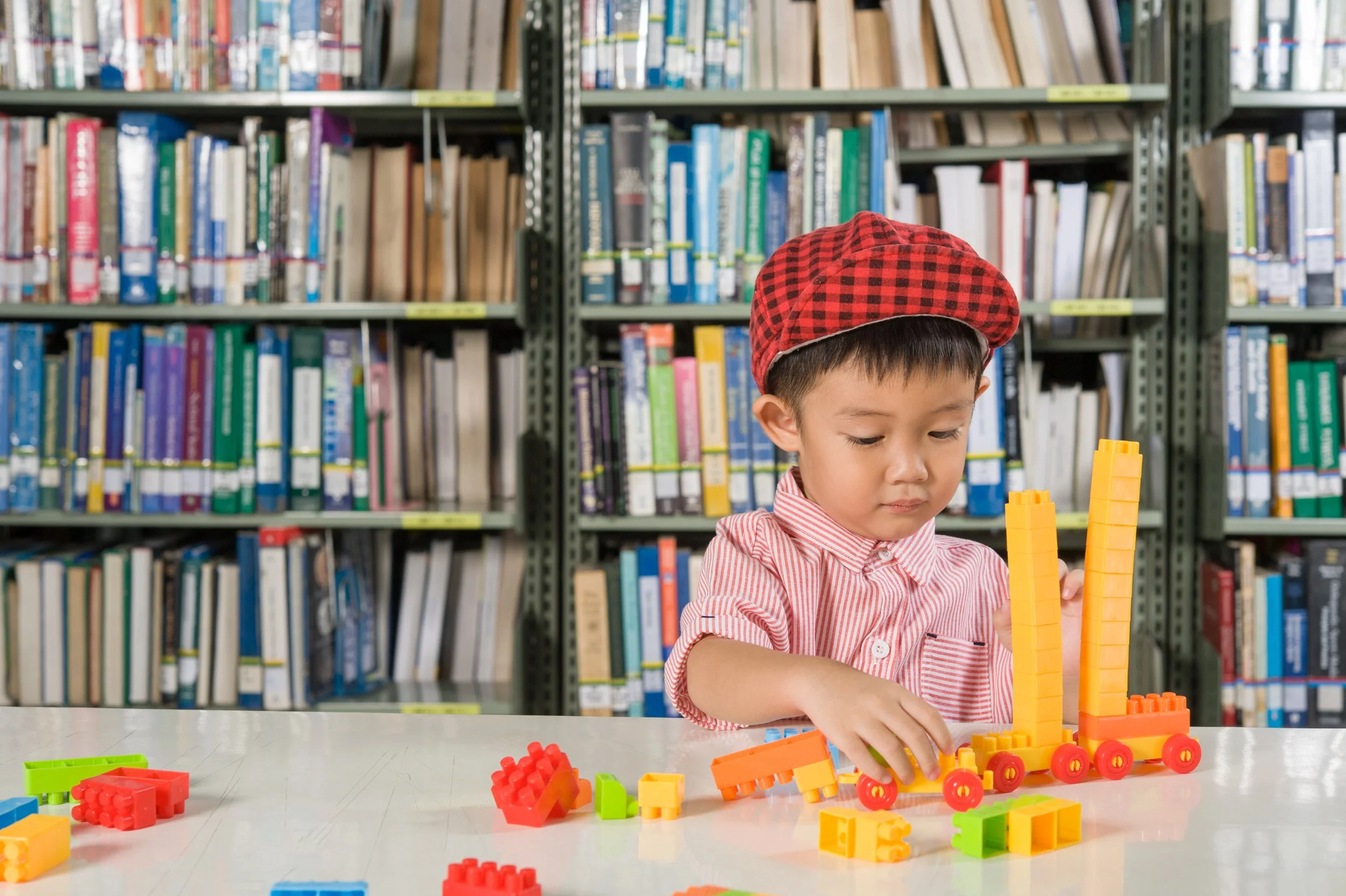
How Montessori Preschool Encourages Early Literacy Through Hands-On Exploration
Early literacy begins long before children read independently. During the preschool years, language development expands through conversation, listening, storytelling, and hands-on experiences. A thoughtfully prepared classroom supports this growth by combining movement, sensory materials, and meaningful interaction. In a well-structured Montessori preschool classroom, early literacy develops naturally through exploration rather than pressure.
Language Development Through Conversation and Listening
Preschoolers strengthen vocabulary through daily dialogue. Teachers model clear speech, introduce precise language for classroom materials, and encourage children to express ideas fully. Rather than relying on worksheets, Montessori classrooms emphasize discussion, storytelling, and shared reading.
In programs like the Montessori preschool program, educators intentionally create opportunities for children to describe their work, ask questions, and listen respectfully to peers. These conversations build comprehension and confidence. Research from early childhood development organizations consistently shows that strong verbal interaction supports later reading success.
When children feel heard and understood, they become more willing to participate in group discussions and storytelling activities.
Sensorial Materials Build Foundations for Reading
Literacy in Montessori settings is closely connected to sensory development. Children trace sandpaper letters, match sounds to objects, and explore phonetic patterns through tactile materials. This hands-on approach helps preschoolers connect movement with memory.
Rather than memorizing symbols abstractly, children physically engage with letters and sounds. Repetition strengthens recognition, and self-correcting materials encourage independence. Environments such as those found at Montessori West emphasize this multi-sensory method because it supports both concentration and retention.
These experiences allow literacy skills to unfold gradually, aligned with each child’s readiness.
Independence Supports Reading Confidence
Confidence plays a central role in literacy development. When children are free to choose materials that match their interest level, they are more likely to stay engaged. Montessori classrooms provide uninterrupted work periods that allow preschoolers to focus deeply without unnecessary interruption.
As children practice matching sounds, building simple words, or listening to stories, they develop patience and persistence. Teachers guide gently, offering support without taking over the task. This balance helps children associate reading with curiosity rather than stress.
Early literacy does not develop in isolation. It grows alongside independence, social interaction, and purposeful work.
A Calm Environment Encourages Steady Growth
Predictable routines and organized spaces reduce distractions. When children know where materials belong and how to use them responsibly, they can concentrate more fully. This calm atmosphere supports emerging reading skills by minimizing overstimulation.
Families exploring preschool options often look for programs that nurture both academic foundations and emotional confidence. A prepared environment that values hands-on exploration provides a steady path toward literacy growth.
When preschoolers develop language skills through movement, repetition, and respectful guidance, reading becomes a natural extension of their daily experience.
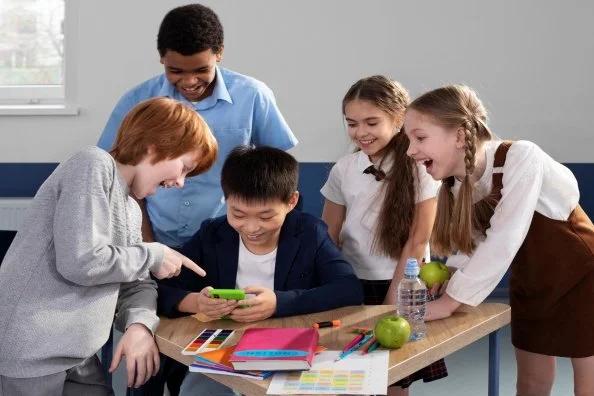
The Social Benefits of Mixed-Age Classrooms in Montessori Preschool
Social development is one of the most important parts of early childhood education. During the preschool years, children learn how to cooperate, communicate, and understand different perspectives. A classroom environment that intentionally supports these skills can shape how children interact for years to come. In a thoughtfully designed Montessori preschool classroom, mixed-age groupings play a central role in building social confidence.
Learning From Older and Younger Peers
Unlike traditional classrooms that group children strictly by age, Montessori preschool settings typically include children across a three-year age span. This structure creates natural opportunities for observation and mentorship. Younger students watch older classmates complete tasks, manage materials, and navigate routines. Over time, they begin to imitate those behaviors.
At the same time, older children gain valuable leadership experience. Explaining a process, demonstrating how to carry materials, or modeling patience reinforces their own understanding. Programs such as the Montessori preschool program emphasize this peer learning dynamic because it encourages empathy and cooperation without forced competition.
Mixed-age classrooms reduce comparison and instead promote shared growth. Each child progresses at their own pace while contributing to the larger community.
Developing Patience and Respect
Social growth does not happen through lectures. It develops through daily interactions. In Montessori environments, children practice waiting their turn, offering help, and resolving small conflicts with guidance. Teachers introduce “grace and courtesy” lessons that model how to interrupt politely, invite someone to join work, or decline respectfully.
These habits become part of the classroom culture. When children consistently experience calm guidance, they learn to approach social challenges thoughtfully. In communities like Montessori West, predictable routines and respectful communication create a steady environment where preschoolers can practice these skills safely.
Over time, children become more confident expressing needs and listening to others.
Building Community Through Shared Responsibility
Mixed-age classrooms also support a strong sense of belonging. Older students often assist with small classroom responsibilities, such as preparing snack spaces or demonstrating how to return materials. Younger children contribute in ways that match their abilities.
This shared responsibility reinforces that every child is a valued member of the group. Rather than focusing solely on academic milestones, Montessori classrooms balance learning with collaboration. The classroom becomes a small community where children experience accountability and mutual respect.
Families exploring preschool options often look for programs that nurture both academic readiness and social maturity. A mixed-age structure offers consistent opportunities to practice leadership, patience, and cooperation in real time.
When children spend their early years in environments that value community and independence equally, they develop the confidence to interact positively in future classroom settings.
5 Signs Your Child Is Ready for Montessori Preschool
Families often ask when a child is “ready” for preschool. In Montessori, readiness is usually less about early academics and more about growing independence, comfort with routines, and the ability to participate in a calm classroom community. To picture what children experience from ages three through six, explore Montessori West’s Montessori preschool program in the Primary Program.
What Readiness Looks Like in Montessori
A prepared classroom is designed for purposeful activity: children choose work, use real tools sized for them, and return materials to where they belong. When a child can separate from a caregiver with support, follow a few simple expectations, and recover after frustration, they typically have enough “school skills” to begin. The American Academy of Pediatrics also frames readiness as social-emotional growth and self-regulation—not only cognitive skills; see their parent guidance on school readiness.
Sign 1: Interest in Doing Things Independently
Many children show readiness when they want to manage small tasks—putting shoes on, washing hands, pouring water, or cleaning up a spill. Montessori classrooms build on this drive by offering child-sized materials and consistent order.
Sign 2: Comfort With Simple Routines and Gentle Limits
Preschool days follow predictable rhythms: arrival, work time, snack, outdoor play, and transitions. Children don’t need perfect compliance, but they do better when they can practice basics like walking indoors, waiting briefly, and accepting a calm “not right now.”
Sign 3: Communication That Reduces Frustration
Clear speech isn’t required, but children tend to be more successful when they can express needs in some way—words, gestures, or short phrases like “help” or “all done.” When language is still emerging, adults can model simple words and children can imitate them over time.
Sign 4: Ability to Focus for Short Stretches
Concentration is a skill that grows through hands-on materials and uninterrupted time. Readiness may look like staying with an activity for a few minutes, repeating it, or returning to it later with interest. Even two- to five-minute stretches are a good start.
Sign 5: Growing Comfort With Peers and Group Life
Children don’t need to be highly social to begin, but it helps when they can share space, observe others, and accept guidance from adults outside the family. Montessori classrooms also practice grace and courtesy—how to join work, how to wait, and how to repair after a conflict. Montessori West shares what this looks like in its Montessori preschool program classroom experience in Children’s House.
Putting the Signs Together
These signs are not a pass/fail checklist. Development can shift quickly with sleep, routines, and language growth, and a strong early-childhood program meets children where they are while steadily encouraging independence. For a longer view of what children gain over time, read how Montessori preschool builds a strong foundation for learning.
Disclaimer: This content is for informational purposes only and does not constitute professional advice.
Montessori Toddler Program: Tantrums, Biting, and Hitting
In a Montessori toddler program, “big feelings” are treated as communication, not character flaws. When tantrums, biting, or hitting show up, teachers focus on safety, respect, and skill-building so children learn what to do—without shame.
Tantrums are common when toddlers can’t express a need, can’t do a task yet, or meet a limit they dislike. A Montessori toddler program doesn’t punish emotions; it sets calm boundaries and teaches replacements.
What Montessori Teachers Do in the Moment
Teachers respond quickly and consistently to avoid escalation. First is safety: gently block a hit, separate bodies if needed, and check in with the child who was hurt. Then comes a short boundary in neutral language (for example, “I won’t let you hit. Hitting hurts.”).
Next, the adult guides a replacement: offer simple language (“my turn,” “help please”), model gentle touch, or redirect to purposeful work that supports regulation. During a tantrum, teachers stay close and steady, giving space while remaining available.
Why Biting Happens and How Montessori Addresses It
Biting often shows up with crowding, tiredness, frustration, or teething discomfort. Effective guidance is immediate and clear: stop the biting, name the limit, and teach what to do instead. NAEYC’s resource on understanding and responding to children who bite summarizes practical do’s and don’ts and encourages adults to watch for triggers.
In Montessori classrooms, prevention matters as much as response. Teachers observe patterns (transitions, a crowded area, a high-interest toy) and adjust the environment before problems repeat.
How the Classroom Reduces Repeat Incidents
A prepared environment does a lot of behavior support. Predictable routines reduce power struggles, and child-sized materials reduce frustration because toddlers can do more for themselves. Teachers also protect concentration with longer, uninterrupted work time, which gives children an outlet for movement.
If you’re exploring classroom structure, Montessori West’s guide to Montessori toddler program routines and enrollment steps outlines what families can expect when children join a toddler community.
How Families Can Align at Home
The most effective support is consistent across settings. Calm limit language, immediate responses, and practice of replacement skills work best when adults are regulated (not mid-meltdown). It also helps to protect the “big three”: sleep, food, and transitions. Many challenging moments improve when toddlers are rested, fed, and given brief warnings before changes.
For parent-friendly strategies and examples, NAEYC’s guidance on understanding and responding to children who bite explains common causes and emphasizes clear limits paired with teaching safer alternatives. For a bridge between school habits and home rhythms, see supporting your child’s Montessori journey as a parent.
Key Takeaways
A Montessori toddler program uses calm limits and skill-building to support self-regulation.
In the moment: stop the behavior, state the boundary, and guide a safer replacement.
Prepared environments and predictable routines reduce repeat incidents.
Tantrums, biting, and hitting can be stressful, but they’re teachable. In Montessori settings, guidance centers on protection, respect, and replacement skills so children can handle frustration with tools that work. Talk to your child’s instructors to develop a consolidated behavior plan.
Disclaimer: This content is for informational purposes only and does not constitute professional advice
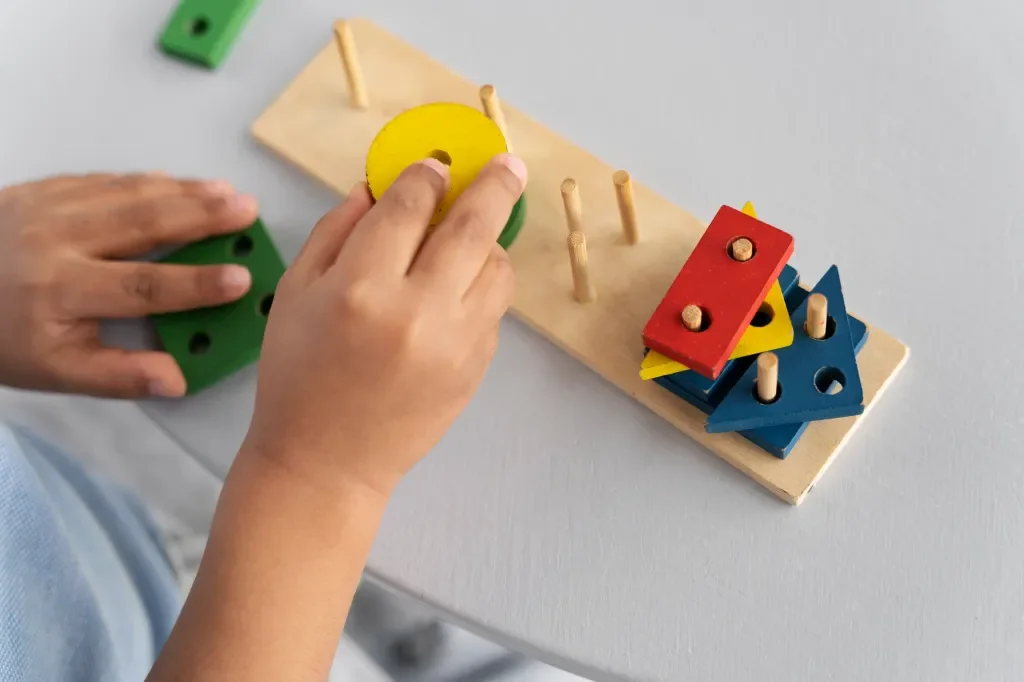
How Montessori Preschool Builds Problem-Solving Skills
A Montessori preschool environment encourages children to observe, explore, and work through challenges at their own pace. These early experiences help young learners develop steady confidence as they experiment with ideas, refine motor skills, and collaborate with peers. Families often notice how quickly children become curious thinkers once they begin exploring practical materials.
The Problem: Young Learners Need Guided Opportunities to Think Independently
Preschoolers naturally ask questions as they encounter new situations. However, many early learning environments offer limited chances to practice open-ended problem-solving. When children are directed too quickly, they miss opportunities to strengthen reasoning, persistence, and creative decision-making. Research from Harvard’s Center on the Developing Child explains that early serve-and-return interactions shape the brain systems involved in memory and flexible thinking.
The Montessori Solution: Hands-On Exploration With Purposeful Materials
Montessori classrooms invite children to solve problems through experimentation. Practical life trays, sensorial materials, and early math tools are designed to present a challenge, then guide children toward self-correction. This approach supports independence while reinforcing attention and emotional regulation. A closer look at Montessori’s practical life activities shows how meaningful tasks build essential cognitive habits.
Children strengthen problem-solving through tasks like:
Matching shapes and refining categories
Sequencing objects by size or color
Choosing tools that support early writing or counting
These choices help preschoolers observe patterns and explore solutions in a calm, predictable space.
How Montessori Preschool Builds Reasoning Step by Step
Montessori environments provide structured challenges that grow with each learner. The following sequence shows how children practice problem-solving daily:
They choose a material that interests them.
They explore the task by observing, touching, and testing steps.
They identify what works and adjust when something does not work.
They repeat the task to confirm their understanding.
This process strengthens memory, persistence, and coordination. The CDC notes that preschool-age children develop stronger planning and reasoning between ages four and five, especially when encouraged to explore independently.
Local Context: How Montessori West Supports Preschool Thinking Skills
Across the Bay Area, families appreciate how Montessori West classrooms provide calm spaces where children can solve problems without pressure. Teachers guide with questions that help children think through possibilities and reflect on their choices. These habits build confidence that carries into early reading, math, and social experiences. The structured yet flexible environment allows preschoolers to master practical skills, manage emotions, and collaborate with peers.
Key Takeaways
Montessori classrooms are designed to assist children in learning. Through self-correcting activities, they become familiar with the process of critical thinking. Problem-solving develops naturally when preschoolers experience:
Hands-on task exploration
Predictable routines that support focus
Thoughtful teacher guidance
Opportunities for independent decision-making
Montessori preschool encourages children to move through challenges with curiosity and purpose. With individual guidance, a prepared environment, and self-guided activities, children learn to think about their actions and build critical thinking skills that help them learn and grow.
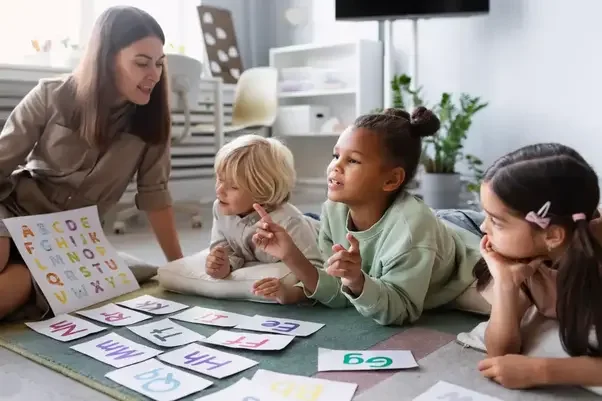
How Montessori Childcare Supports All Stages of Early Development
Families often look for a childcare approach that supports curiosity, independence, and emotional confidence. A Montessori toddler program builds these skills through movement, exploration, and meaningful interactions with caregivers. This method blends structure with child-led discovery, which helps toddlers move confidently through developmental stages.
Understanding How Toddlers Learn in Montessori Settings
Montessori childcare environments offer predictable routines that give children stability while encouraging freedom of movement. Toddlers explore materials designed for practical tasks, coordination, early language, and social growth. Warm back-and-forth interactions form the foundation of healthy brain development. Montessori educators support this through conversation, gentle redirection, and consistent relationship-building.
Why Purposeful Environments Matter
Children thrive when their surroundings are organized, calm, and built for success. Montessori spaces include real-life tools and child-height shelves that encourage independence. These settings also prevent overstimulation and help toddlers stay focused. This balance supports emotional regulation during key learning moments. Since the goal is to instill a love for learning, an inviting environment makes it possible for children to pursue activities in a structured way.
Practical Ways Montessori Supports Each Stage of Early Development
Parents often want clear examples of what early developmental support looks like. Below are a few skills that toddlers strengthen in Montessori childcare:
Coordination through real-life tasks like pouring and sorting
Language development through naming activities and daily conversation
Social growth through shared work and respectful communication
Independence through simple routines like handwashing and cleanup
How Montessori Connects Learning to Daily Life
Montessori teachers introduce simple, predictable processes that help toddlers participate in daily tasks. Children learn to put on shoes, tidy small work areas, and prepare snack items with support. These activities feel meaningful because they reflect habits used at home. Families across the Bay Area appreciate how these routines create smoother transitions between school and home. This integration strengthens confidence as children develop early autonomy skills.
Quick Answers to Common Questions
Q: How does Montessori guide social development for toddlers?
A: Educators model respectful communication and encourage cooperation in shared spaces. Toddlers learn how to wait, take turns, and observe peers in calm settings supported by teachers.
Q: Is a Montessori toddler program suitable for energetic children?
A: Yes. The classroom design offers space for movement and hands-on tasks. These choices help active children channel energy into exploration rather than distraction.
Q: Do toddlers need prior experience before entering Montessori childcare?
A: No. Montessori environments are prepared for beginners. Teachers adapt activities based on what each child is ready to learn.
Key Takeaways
Montessori childcare supports healthy growth by thoughtfully combining structure, exploration, and warm adult guidance. Through a carefully prepared environment, toddlers are encouraged to learn at their own pace while feeling safe, supported, and capable. This balanced approach nurtures confidence and helps children progress naturally through each stage of early development.
In a Montessori setting, toddlers benefit from:
Purposeful, hands-on materials that support real-world learning
Calm, predictable routines that create security and focus
Opportunities to practice independence and decision-making
Respectful adult guidance that encourages curiosity and self-confidence
10 Skills Children Develop in a Montessori Toddler Program
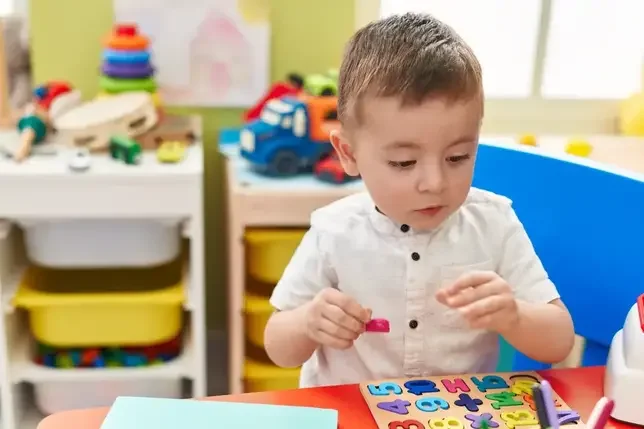
A Montessori toddler program gives young children a foundation for confident exploration, communication, and emotional growth. Families often choose Montessori because it blends structure with child-led discovery. These environments encourage purposeful movement, calm routines, and meaningful interactions with caregivers.
1. Coordination and Motor Skill Strength
Toddlers develop balance, hand control, and body awareness through practical life tasks. Activities like spooning, transferring, and sweeping help refine fine and gross motor abilities. These experiences also support early handwriting readiness.
2. Language Development Through Daily Conversation
Montessori educators provide clear, rich language modeled during routines. Serve-and-return interactions support vocabulary growth and comprehension. Research from Harvard’s Center on the Developing Child highlights how these exchanges strengthen early brain development.
3. Independence in Everyday Tasks
Children practice dressing, handwashing, and cleaning simple work areas. These routines build confidence, reduce frustration, and help toddlers participate more fully at home.
4. Emotional Awareness and Self-Regulation
Calm environments help toddlers identify feelings and respond more thoughtfully. Teachers guide children toward gentle problem-solving strategies, fostering early self-regulation skills.
5. Focus and Concentration Through Purposeful Work
Montessori materials are designed for hands-on engagement. Toddlers repeat tasks naturally, which strengthens attention span and cognitive persistence. These skills support later academic learning.
6. Social Development in Mixed-Age Settings
Toddlers practice patience, cooperation, and observation. They watch peers complete tasks and learn from shared moments. Positive relationships form through predictable routines and teacher modeling.
7. Practical Life Skills That Build Real Confidence
Pouring, sorting, and table wiping strengthen coordination and introduce responsibility. These tasks empower toddlers to contribute meaningfully. Learning practical skills helps children build confidence in their ability to accomplish tasks with little or no assistance.
8. Sensory Exploration for Cognitive Growth
Montessori materials encourage sorting by texture, size, and color. Sensory tasks help toddlers categorize information and make sense of the world around them.
9. Early Problem-Solving and Decision Making
Child-sized tools and open-ended materials encourage children to make choices and solve small challenges. These experiences build persistence and flexible thinking.
10. Healthy Alignment With Developmental Milestones
Skills developed in Montessori settings closely match recognized toddler milestones. The CDC outlines milestones related to movement, communication, and emotional development, most of which are addressed by authentic Montessori schools.
Key Takeaways
Before reviewing the core points, it helps to see how these ideas come together in daily classroom life. The following takeaways highlight the practical strengths of Montessori childcare and show how toddlers build important developmental skills through consistent routines, hands-on exploration, and warm guidance. These themes reflect what families often notice during visits and what children experience throughout the learning day. Children in Montessori programs benefit from:
Purposeful hands-on activities
Calm, organized environments
Warm teacher interaction
Opportunities to practice independence
Montessori is a whole-child development program. By interacting with carefully selected activities, children develop skills that will benefit them throughout their lives. Similarly, the toddler program helps them learn social and emotional skills that lead to improved interactions with others.
How Montessori Math Materials Build True Number Sense
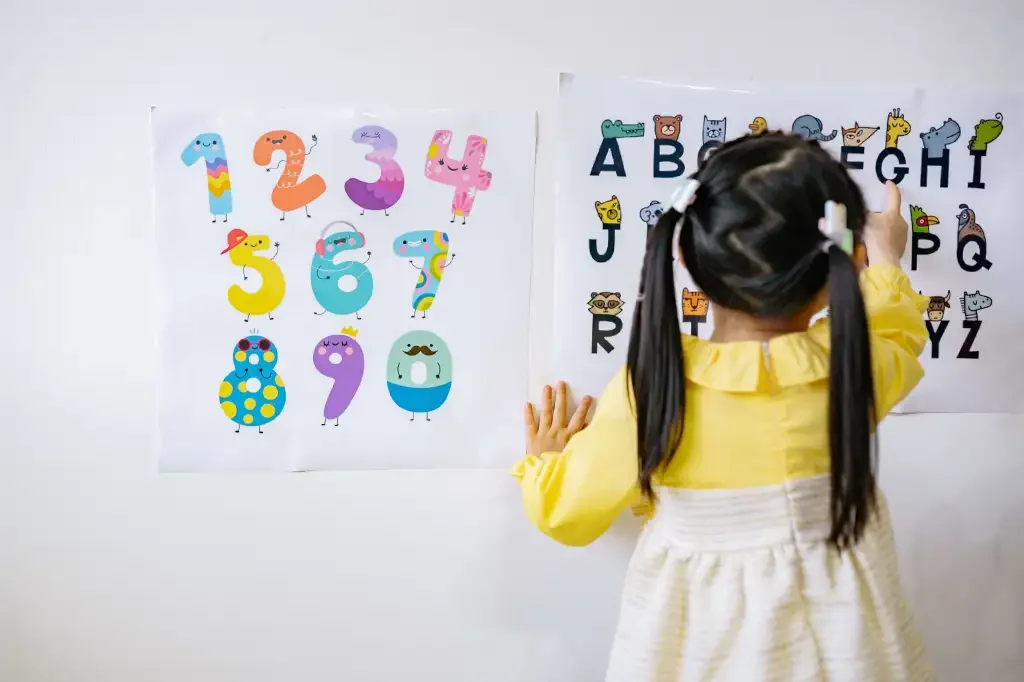
Math doesn’t have to feel intimidating to young children. In a Montessori preschool environment, numbers become tangible through hands-on exploration. Instead of memorizing symbols or repeating formulas, students use beads, rods, and counters to see and feel mathematical relationships. This direct experience builds confidence and understanding far earlier than rote instruction ever could.
The Power of Concrete Learning
When children manipulate golden beads to represent units, tens, hundreds, and thousands, abstract numbers suddenly gain meaning. They can see what “ten times ten” looks like, touch it, and arrange it on a mat. This sensory process activates both motor and reasoning centers in the brain, creating durable connections between quantity and symbol.
In a Montessori preschool program, math is a language to explore. Students match numerals to bead quantities, sequence patterns, and eventually record results independently. Each step connects to the next in a logical progression that reinforces accuracy through discovery.
A Developmental Path Toward Abstraction
Traditional math lessons often skip directly to symbols, leaving many students unsure of what those numbers truly represent. Montessori classrooms take the opposite approach. By first internalizing patterns through movement and repetition, children develop an intuitive grasp of numerical relationships. They are not told that four plus four equals eight—they see it and build it with their own hands.
This developmental sequence leads naturally toward abstraction. Once a child has mastered concrete tools like number rods and bead chains, they can easily visualize numbers in their mind. That ability, known as “mental representation,” is what researchers call true number sense.
Recent research in Education and Culture shows that when manipulatives are used intentionally, children move from concrete exploration to abstract understanding. The study finds that math toolkits which enable children to physically engage with numbers support stronger reasoning and connection-making.
Encouraging Precision and Confidence
Montessori math materials also teach precision through control of error. If a quantity doesn’t match its numeral, the child sees and corrects it without teacher intervention. This independence strengthens problem-solving skills and builds genuine confidence. Teachers serve as quiet guides, ensuring each child progresses at their own pace without pressure or competition.
Because math materials are self-correcting, frustration remains low while concentration grows. The rhythm of hands-on learning creates an internal sense of order that helps children apply logic to new challenges both inside and outside the classroom.
For a deeper look at how Montessori teachers guide learning rather than direct it, explore
Building a Lifelong Relationship with Numbers
The ultimate goal of Montessori math is not memorization but mastery through understanding. When concepts are introduced through touch, movement, and repetition, children begin to think mathematically in daily life—counting steps, sorting toys, or recognizing geometric forms in their environment.
At schools like Montessori West, parents often notice their children’s fascination with patterns and problem-solving grows naturally at home. The same joy that fuels early math learning becomes a foundation for curiosity in science, engineering, and art.
Montessori math materials transform numbers from abstract ideas into meaningful tools for exploration. By trusting children to build understanding through experience, Montessori education cultivates both accuracy and wonder, proving that when math begins with the hands, it endures in the heart.
Early Montessori Experiences Shape Emotional Intelligence
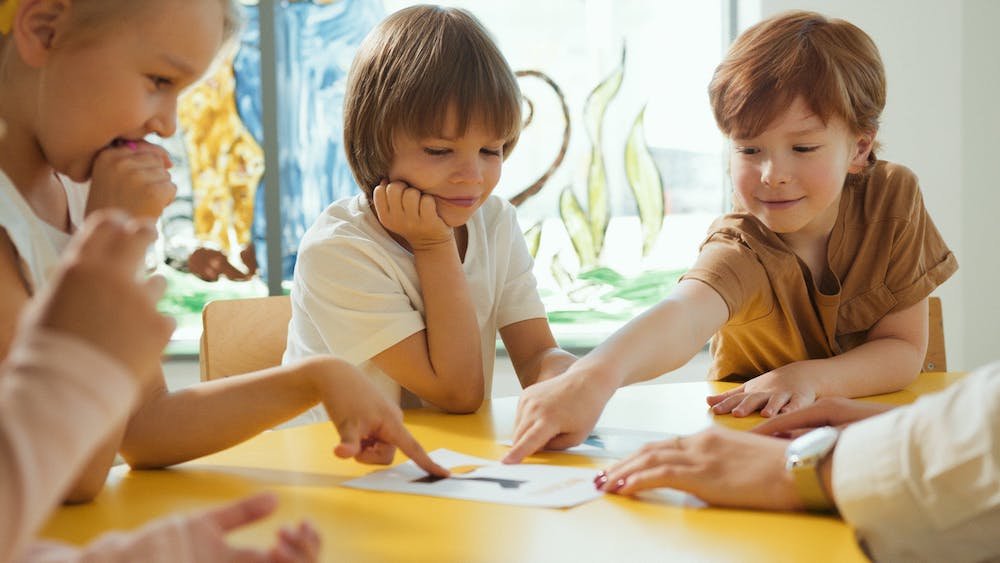
Emotional intelligence begins long before a child can name feelings. In Montessori toddler programs, emotional growth is part of daily work. Children choose purposeful activities, practice self-care, and learn to respect others. Teachers design the environment so toddlers can act with growing independence and calm focus. This rhythm turns small victories into lasting confidence.
A Classroom That Teaches Through Doing
Every shelf and activity in a toddler room serves a clear purpose. When children pour water, wipe a spill, or roll a mat, they practice control of movement and experience success. That sense of competence builds self-esteem, which supports healthy emotional regulation. In a Montessori toddler program, acknowledgement is quiet and specific. Children learn to notice their own progress rather than chase praise. This encourages resilience when tasks feel challenging.
Teachers as Models of Emotional Balance
Guides observe first, then respond with few words and gentle cues. When conflict arises, a teacher kneels to the child’s level and helps name the feeling, the need, and the next step. Toddlers begin to recognize emotions in themselves and in others. They discover that problems can be solved with patience, clear choices, and respect.
Grace and Courtesy in Everyday Moments
Social lessons live inside daily routines. Children practice waiting for a turn, offering help, and using kind words. Short, repeated presentations make civility feel natural. Mixed-age groupings add another layer. Younger toddlers watch slightly older peers demonstrate tasks. They imitate calm movements and courteous language. Community norms grow from experience, not lecture.
The Role of Independence in Self-Regulation
Freedom within clear limits supports the will. Practical Life activities invite concentration and repetition. As children master real tasks, they learn to pause, adjust, and finish with care. This is the groundwork of self-regulation. Montessori schools describe how a prepared environment, independent choice, and balanced limits strengthen the child’s ability to manage impulses and emotions.
Families See the Changes at Home
Parents who visit enroll children in Montessori schools often notice practical changes within weeks. Toddlers begin to carry their own belongings, communicate needs with simple words, and respond more gently to frustration. These small shifts reflect a deeper process. Children who feel competent act with care for themselves and for others.
Reinforcing Emotional Growth Beyond the Classroom
As we have explored in another blog, it is important to Build Strong Foundations Within Authentic Montessori Toddler Programs. It highlights how respectful guidance and meaningful work support emotional awareness in the earliest years.
Lasting Outcomes Begin Early
Emotional intelligence does not come from a single lesson. It grows through meaningful interactions, thoughtful guidance, and quiet triumphs repeated every day. The toddler program plants these seeds with simple, real work and consistent modeling. Children learn to notice a feeling, choose a response, and care for the people around them. That is the heart of Montessori.
Supporting Your Child’s Montessori Journey as a Parent
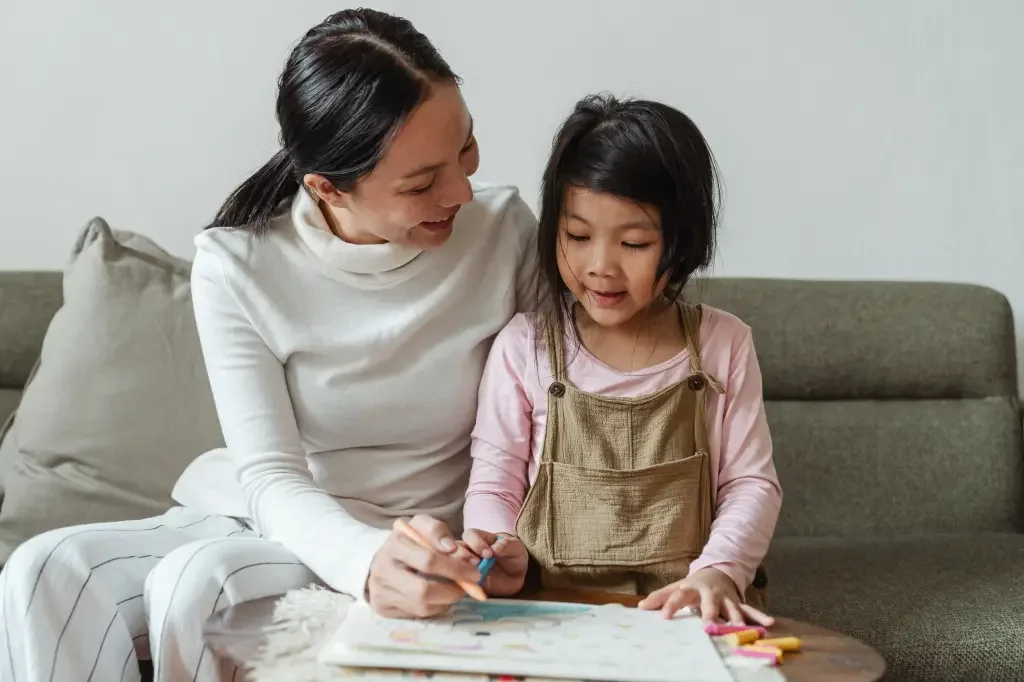
Choosing a Montessori toddler program helps your child develop independence, confidence, and emotional balance from the very beginning. The Montessori approach is built on freedom within clear limits, giving toddlers structure and space to explore safely while learning to manage their choices.
At a Montessori school, children work with real materials in a prepared environment that supports focus and self-direction. Teachers guide through careful observation, allowing young learners to complete each task with care and purpose.
Why the Toddler Program Matters
Between 18 months and 3 years, children experience rapid growth in movement, coordination, and language. Montessori classrooms meet these needs through Practical Life activities—pouring, wiping, dressing, and cleaning—that teach repetition, precision, and pride in real work.
In a Montessori Toddler Program, children “begin their day with the traditional Montessori work cycle… choosing lessons from a variety of areas: practical life, art, sensorial, language, movement, culture, music, and math.” Each choice strengthens self-regulation and nurtures the will to finish what they start.
As children gain skill and confidence, they develop concentration and the ability to pause and adjust. This mastery of impulse and attention forms the groundwork for emotional control.
Partnering With Your Child at Home
Parents play a vital role in reinforcing what their child learns in the classroom.
Offer real tasks: allow your child to help pour juice, wipe the table, or fold napkins.
Give choices within limits: “Would you like to put your shoes on now or after breakfast?” Structure teaches accountability within freedom.
Respect repetition: when your child repeats an activity, they’re not bored—they’re building mastery.
Model finishing with care: your calm example teaches self-discipline more effectively than reminders.
As described by the Association Montessori Internationale inFrom Chaos to Calm: How Montessori Education Fosters Self-Regulation in Children, the balance of independence and boundaries “allows children to practise decision-making, focus, and self-control.”
Learning Beyond the Classroom
Montessori principles reach far beyond the classroom. Parents can extend the toddler program’s lessons by encouraging independence, calm concentration, and real participation in daily life. Simple acts such as pouring water or folding laundry strengthen coordination and self-control. Insights shared in thisBlog on toddler learning demonstrate how consistency between home and school environments deepens self-regulation and supports balanced emotional growth.
Key Takeaways
Freedom within limits develops independence and focus.
Practical Life lessons create the foundation for self-regulation.
Parents who provide structure and consistency at home reinforce what the Montessori environment teaches.
A Montessori toddler program offers a calm, purposeful space where children grow in confidence and care.
Authentic Montessori education begins at a very young age. Our Montessori toddler program is designed to address the totality of your child’s early development. When parents provide structure and encourage self-directed activity at home, children strengthen the same skills practiced in the classroom, including concentration, decision-making, and care. Freedom within clear limits lays the foundation for lifelong self-regulation, helping toddlers grow confident, capable, and calm as they learn to complete tasks with purpose and take pride in their own accomplishments.
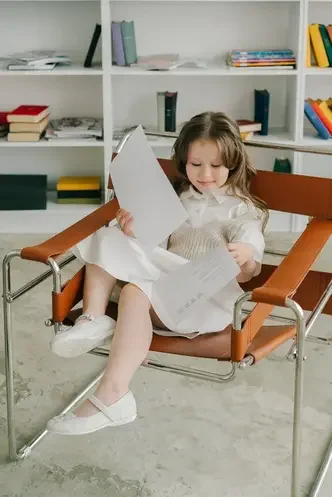
5 Practical Life Skills Every Montessori Preschooler Masters
Practical life lessons are the heart of Montessori preschool programs. These exercises give children confidence and self-direction long before academic lessons begin. Tasks that adults might consider routine become meaningful challenges for young learners. They help children strengthen coordination, patience, and responsibility through everyday activities that translate naturally into independence at home and school.
One reason these activities matter so much is that they satisfy a child’s natural desire to contribute. When children pour water, button a sweater, or sweep the floor, they see immediate results. The process is joyful because it gives them real control over their environment. The Montessori classroom is carefully designed to encourage this sense of purpose while providing just the right amount of challenge.
Pouring and Transferring
Children begin with large materials such as beans or rice before progressing to liquids. They learn to control movement, correct spills calmly, and repeat until they achieve balance. This simple sequence develops concentration and hand-eye coordination, skills that support writing and self-feeding later on.
Dressing Frames and Self-Care
Fastening buttons, zipping jackets, and tying shoelaces are milestones in a young child’s growth. Montessori preschool dressing frames allow repeated practice in a calm setting. Each repetition builds independence and fine-motor strength. The result is pride in being able to care for oneself, which is a foundation for lifelong self-reliance.
Cleaning and Care of the Environment
Children take turns dusting shelves, watering plants, and sweeping floors. These routines teach respect for shared spaces and an understanding of community responsibility. The environment stays beautiful because everyone contributes. Teachers model each task patiently until it becomes second nature.
Grace and Courtesy
Courtesy lessons show children how to greet others, wait their turn, and listen politely. These moments nurture empathy and respect. In a Montessori preschool, social skills are treated with the same importance as math or reading readiness. A child who can communicate kindly is prepared to succeed in any learning environment.
Food Preparation and Table Service
Children slice bananas, spread butter, and pour juice using child-sized tools. They learn to set tables, serve friends, and clean up afterward. These experiences connect practical action with social warmth, transforming mealtime into a moment of cooperation and gratitude.
Broader Developmental Benefits of Montessori Activities
Beyond individual tasks, common Montessori activities nurture growth across multiple developmental areas. Each carefully chosen exercise stimulates mental focus, emotional balance, and problem-solving ability. As children gain competence through repetition and responsibility, they build lifelong habits that support cognitive and social well-being.
Cognitive Growth: Sorting, pouring, and sequencing tasks strengthen concentration, memory, and logic.
Emotional Regulation: Predictable routines and calm repetition build patience and self-control.
Social Development: Partner work, turn-taking, and shared materials encourage cooperation and empathy.
Physical Coordination: Fine and gross motor exercises enhance strength, control, and endurance.
Together, these five skills and broader developmental benefits illustrate the heart of Montessori education. Practical life work is more than classroom housekeeping; it is purposeful learning that builds independence, concentration, and respect. Each mastered skill represents a step toward confident participation in daily life. Through the structure of a Montessori toddler program, children discover that they are capable, valued, and ready to explore a larger world.

How to Support Montessori Learning at Home With Infants
Values from a Montessori toddler program begin long before school attendance. When parents understand how babies explore through their senses, they can set routines that promote awareness and trust. Each daily interaction, such as feeding, dressing, or play, becomes an opportunity for discovery guided by patience and respect for the child’s pace. Small choices build security and confidence.
The earliest months shape curiosity and confidence. Even before walking or talking, infants absorb every sound, color, and movement around them. Families who follow Montessori principles at home can nurture focus, calm, and independence from the beginning. The goal is not formal instruction. The priority is an environment where learning develops naturally while adults observe what the child is ready to explore next.
Create a Calm, Orderly Space
In Montessori environments, a peaceful room acts as a first teacher. Choose natural light, gentle colors, and simple textures. Keep only a few toys within reach on low shelves to prevent overstimulation. Infants thrive when their surroundings stay predictable, which gives them freedom to focus. A mirror placed beside a play mat helps babies observe themselves, strengthening body awareness and concentration during short, supervised sessions.
Follow the Child’s Rhythm
Montessori practice begins with careful observation. Rather than rigid schedules, watch for cues that show when the baby is alert, drowsy, or curious, and match activities to those states. Encourage movement through supervised floor time without restrictive devices. Rolling, reaching, and stretching build strength, coordination, and confidence. These patterns support future independence with dressing, feeding, and purposeful classroom work.
Introduce Purposeful Materials
Babies do not need many toys. They need items that invite exploration. A small basket with thoughtfully chosen objects, such as soft fabric squares, a wooden rattle, or a metal spoon, offers variety without clutter. Rotate items weekly to maintain interest. Through repetition, the baby learns focus and control. Everyday materials work well because they connect play to real life and family routines.
Encourage Independence During Care
Participation during care routines builds confidence. Invite the baby to lift arms while dressing or hold a cloth during hand washing. Describe each step clearly: “Now we wash your hands.” “Now we button your shirt.” Consistent language supports communication and emotional security. Familiar patterns teach that care is shared with the adult. The child begins to anticipate each step and cooperate willingly.
Mini Checklist for Parents
Even small adjustments at home can create meaningful Montessori experiences. Parents can use this checklist to keep the environment calm, supportive, and ready for learning while building daily habits that promote independence.
Keep three or four materials visible on low shelves; store the rest.
Offer daily floor time with a safe mat and nearby mirror.
Name objects and actions during routines to support language.
Refresh the treasure basket weekly to renew interest and focus.
Supporting Montessori learning at home begins with respect for curiosity, timing, and individuality. Each movement, gaze, and sound processed through calm repetition builds independence. By creating opportunities for participation and exploration, families prepare infants for meaningful work that continues in a Montessori toddler program. Consistent observation, simple materials, and gentle routines help the child discover capability and joy in everyday life.

7 Montessori Baby Activities That Build Early Independence
Even the youngest learners can begin building independence through gentle, hands-on exploration. A Montessori toddler program encourages families to nurture self-confidence long before formal schooling begins. Infants and young toddlers thrive when their environment invites them to move, reach, and discover safely. These seven Montessori baby activities help parents and caregivers introduce purposeful learning at home while respecting each child’s natural rhythm of growth.
Reaching and Grasping Exercises
Place lightweight, natural objects within easy reach during supervised floor play. Cloth rings, wooden rattles, and soft scarves encourage babies to reach, grasp, and release with control. These early motions strengthen hand muscles and hand-eye coordination. The joy of movement lays the foundation for later tasks like pouring and spooning in the Montessori classroom.
Floor Time on a Movement Mat
Instead of keeping infants confined to swings or seats, Montessori toddler programs recommend open floor space with a soft mat. Babies can roll, stretch, and crawl freely. This freedom supports balance and spatial awareness. When children learn to move their bodies independently, they also begin developing confidence in decision-making and exploration.
Object Permanence Box
A wooden box with a small opening and matching ball teaches babies that objects still exist when out of sight. Each time the ball disappears and reappears, children experience cause and effect. This discovery builds concentration and curiosity. Simple materials and repetition help babies focus for longer periods while enjoying the challenge of mastery.
Mirror Observation
A low, unbreakable mirror placed beside a mat allows babies to watch their reflections. They begin noticing facial expressions, movements, and emotions. This awareness nurtures social understanding and self-recognition. Over time, mirror play supports language development because babies connect sound, sight, and emotion in a meaningful way.
Treasure Basket Exploration
Fill a shallow basket with safe, everyday household objects made of natural materials such as wood, fabric, or metal. Babies explore textures, temperatures, and sounds through touch and taste. The basket provides endless opportunities for sensory learning. Parents can rotate the contents weekly to maintain interest and stimulate curiosity.
Practical Participation During Care Routines
Even diapering and dressing can become lessons in cooperation. Invite the child to lift arms, hold a wipe, or choose between two outfits. These small decisions encourage autonomy. When babies participate actively, they begin viewing themselves as capable contributors. Each shared routine becomes a moment of connection rather than a task performed for them.
Early Food Preparation Activities
When babies transition to solid foods, they can help in simple ways. Allow them to hold a banana while you slice or stir oatmeal together with a child-safe spoon. These sensory-rich moments teach patience, coordination, and respect for food preparation. Children learn through repetition that their actions create real results.
Independence begins with the smallest gestures of trust. Through these gentle Montessori activities, babies learn that their efforts matter. The structure of a Montessori toddler program continues this journey by guiding children toward purposeful action, respect for their environment, and confidence in their growing abilities.

Important Questions that Informed Parents Ask About Montessori Preschool
Choosing a preschool is one of the biggest decisions parents make for their child’s early years. Families who explore Montessori often want to know more about how this unique approach works and what it means for their child’s development. Here are some of the most common and thoughtful questions parents ask when considering a Montessori preschool.
How Does Montessori Differ from Traditional Preschool?
Parents often want to understand what makes Montessori distinct. The key difference is that Montessori classrooms are designed around self-directed learning rather than teacher-led instruction. Children choose activities from a prepared environment, and teachers guide rather than dictate. This approach helps foster independence, confidence, and intrinsic motivation, which are not always emphasized in traditional preschool models.
What Role Do Teachers Play?
Another frequent question is about the role of the teacher. In Montessori, teachers act as guides and observers. They introduce materials when a child is ready and step back to allow exploration and discovery. Parents value knowing that teachers are there to support growth without pressuring children, creating a balance between freedom and structure.
Are Children Really Learning Academic Skills?
Many parents ask how Montessori addresses reading, writing, and math. Montessori materials are designed to introduce these skills in a hands-on way that feels natural to children. Sandpaper letters, movable alphabets, number rods, and golden beads make abstract ideas concrete. Parents are reassured when they see how these tools build strong academic foundations while keeping learning joyful.
How Does Montessori Handle Social Development?
Families often wonder if independence means less social interaction. In reality, Montessori classrooms are built around community. Children practice grace and courtesy lessons, work together on activities, and learn conflict resolution skills. Parents see that their child is not only building friendships but also learning empathy, cooperation, and respect for others.
What Is the Daily Routine Like?
Consistency is important for toddlers and preschoolers, so parents frequently ask about the classroom schedule. Montessori classrooms typically follow a predictable rhythm that includes uninterrupted work periods, group activities, and outdoor time. This routine provides security while also allowing flexibility for individual learning paths.
Will Montessori Prepare My Child for Kindergarten and Beyond?
One of the most important concerns parents raise is readiness for future schooling. Montessori does more than prepare children academically. It develops problem-solving, focus, and adaptability. Parents recognize that these qualities help their child transition smoothly into kindergarten and continue to thrive in new environments.
By asking these questions, informed parents gain a deeper understanding of how Montessori preschool supports the whole child. They discover that this approach is not only about early academics but also about fostering independence, respect, and a lifelong love of learning.

5 Proven Montessori Preschool Activities That Inspire Love for Learning
Montessori preschool classrooms are designed to spark curiosity and help children discover the joy of learning. Instead of relying on memorization, they use purposeful, hands-on activities that encourage exploration and independence. These proven activities not only build academic skills but also instill a deep love for learning that lasts far beyond the preschool years.
1. Practical Life Activities
Everyday tasks like pouring, sweeping, or buttoning are more than chores in a Montessori classroom. They are meaningful activities that strengthen focus, coordination, and independence. Children gain pride from completing tasks on their own, which boosts confidence and encourages them to take on new challenges. This sense of achievement creates an internal motivation to keep learning.
2. Sandpaper Letters and Phonics Work
Early literacy in Montessori begins with sandpaper letters. Children trace the textured surface while saying the corresponding sound, linking touch, sight, and hearing. This multi-sensory approach helps children form strong connections between letters and sounds, laying the groundwork for reading and writing. The engaging, tactile experience makes literacy exciting rather than intimidating.
3. Number Rods and Golden Beads
Math comes alive with materials like number rods and golden beads. Number rods give children a visual and physical way to understand quantity, while golden beads introduce addition, subtraction, and even multiplication in a concrete form. Instead of memorizing abstract numbers, children see and touch math concepts, making them easier to grasp and enjoy.
4. Sensorial Exploration
Sensorial materials, such as color tablets, sound cylinders, and geometric solids, help children refine their senses while exploring patterns and relationships. These activities are not only enjoyable but also essential in building skills of observation, classification, and critical thinking. By learning through discovery, children develop curiosity about how the world works.
5. Nature-Based Learning
Montessori preschoolers often step outside the classroom to garden, observe insects, or collect leaves. Nature-based activities teach responsibility, environmental awareness, and a sense of wonder. Whether planting seeds or studying weather changes, these lessons inspire questions and a natural desire to explore further. Parents often notice how this love of nature carries into their child’s everyday life.
Montessori activities are proven to transform learning into something meaningful and enjoyable. By focusing on hands-on exploration and independence, these practices help children embrace learning as an exciting and rewarding part of life.
The Importance of Freedom Within Limits in Montessori Preschool

In a Montessori preschool, children are given a unique balance of freedom and structure that supports both independence and responsibility. This principle, known as “freedom within limits,” is a core part of Montessori philosophy. It allows children to explore their interests and make choices while learning how to respect others, follow guidelines, and function within a community.
Freedom to Choose Meaningful Work
Montessori classrooms are carefully prepared with a variety of materials that support different areas of learning, including language, math, practical life, and sensorial development. Children are free to choose what they want to work on, which allows them to follow their curiosity and stay engaged. This freedom of choice fosters motivation, confidence, and a love of learning. When children can select their own activities, they take ownership of their education and begin to discover how they learn best.
Limits That Support Safety and Respect
While freedom is encouraged, it is always grounded in clear and consistent limits. These limits are not imposed through punishment or rigid rules but are established to maintain order, ensure safety, and protect the rights of others in the classroom. For example, a child may choose any material they have been shown how to use, but they must use it respectfully and return it when finished. They can speak freely, but they are also expected to listen and wait their turn. These boundaries help children understand expectations and build self-discipline.
Developing Self-Control and Responsibility
Freedom within limits teaches children how to make good decisions and manage their behavior. They learn that their actions have consequences, and they begin to regulate their impulses based on internal understanding rather than external pressure. When a child chooses to clean up their space or wait patiently for a turn with a material, they are exercising responsibility and self-control. These are not skills that come naturally to all preschoolers, but in a Montessori environment, they are developed through consistent practice and respectful guidance.
Guidance From the Teacher as Observer
Montessori teachers play a key role in maintaining the balance between freedom and structure. Rather than directing every activity, the teacher observes each child to understand their interests and needs. They introduce new materials at the right time and gently redirect when necessary. This careful observation allows teachers to offer just enough support without taking away a child’s independence. It also helps ensure that the limits in the classroom are applied fairly and with respect for each individual.
Building a Peaceful and Productive Classroom
A classroom built on freedom within limits becomes a peaceful and cooperative space. Children learn how to express themselves while respecting the needs of others. They feel trusted, capable, and safe, which supports both academic growth and emotional development. With the right balance, Montessori preschoolers thrive not only as learners but also as thoughtful, responsible members of a community.
How Montessori Preschool Teaches Conflict Resolution Naturally

Conflict is a normal part of early childhood, and how children learn to manage disagreements plays a major role in their social and emotional development. In a Montessori preschool setting, conflict resolution is not treated as a separate subject but is woven naturally into daily life. Through modeled behavior, thoughtful guidance, and a prepared environment, children learn to handle conflicts with empathy, patience, and mutual respect.
A Peaceful Classroom Culture
The Montessori classroom is intentionally designed to be calm and respectful. Children are introduced early to the concept of peace and the value of community. Teachers speak in soft tones, and routines are predictable, helping children feel secure and focused. In this environment, students begin to internalize the behaviors they see modeled around them. When conflicts arise, the tone of the classroom sets the stage for peaceful problem-solving rather than impulsive reactions.
Grace and Courtesy Lessons
Montessori children participate in daily grace and courtesy lessons, where they practice saying please and thank you, taking turns, and using gentle voices. These lessons are not lectures but short, interactive moments that model real-world behavior. Children may role-play how to respond if someone takes a toy or how to ask for space respectfully. Over time, these lessons provide a language for kindness and give children the tools they need to resolve everyday conflicts on their own.
The Role of the Teacher as Guide
Montessori teachers act as calm observers and gentle guides. Instead of stepping in immediately when a disagreement occurs, they watch and assess whether children can work through the situation independently. If support is needed, the teacher may kneel down to the child’s level, listen without judgment, and help them express their thoughts clearly. The goal is not to punish or correct but to help children understand what happened and find a solution together.
Peer Interaction and Natural Opportunities
Montessori preschoolers spend much of their time working alongside classmates, sharing materials, and collaborating on activities. These shared experiences naturally create opportunities for social learning. When two children want to use the same material, they learn to wait patiently or offer to take turns. If one accidentally disrupts another’s work, they are encouraged to apologize and help repair it. These interactions happen in real time and are guided by mutual respect.
Tools That Support Peaceful Problem Solving
Many Montessori classrooms include a peace area or a peace table where children can go to calm down or talk through disagreements. This space may contain a soft object to hold or a simple item like a “peace rose” that children pass while taking turns to speak. The act of sitting together and listening fosters empathy and helps children develop emotional awareness. These tools are used with consistency, teaching children that they are capable of resolving conflicts with words and actions rather than frustration.
Through thoughtful routines and daily practice, Montessori preschool helps children build the foundations of peaceful conflict resolution. They learn to listen, express themselves, and care for others in a way that feels natural and respectful. These early experiences shape how they handle relationships throughout life.